
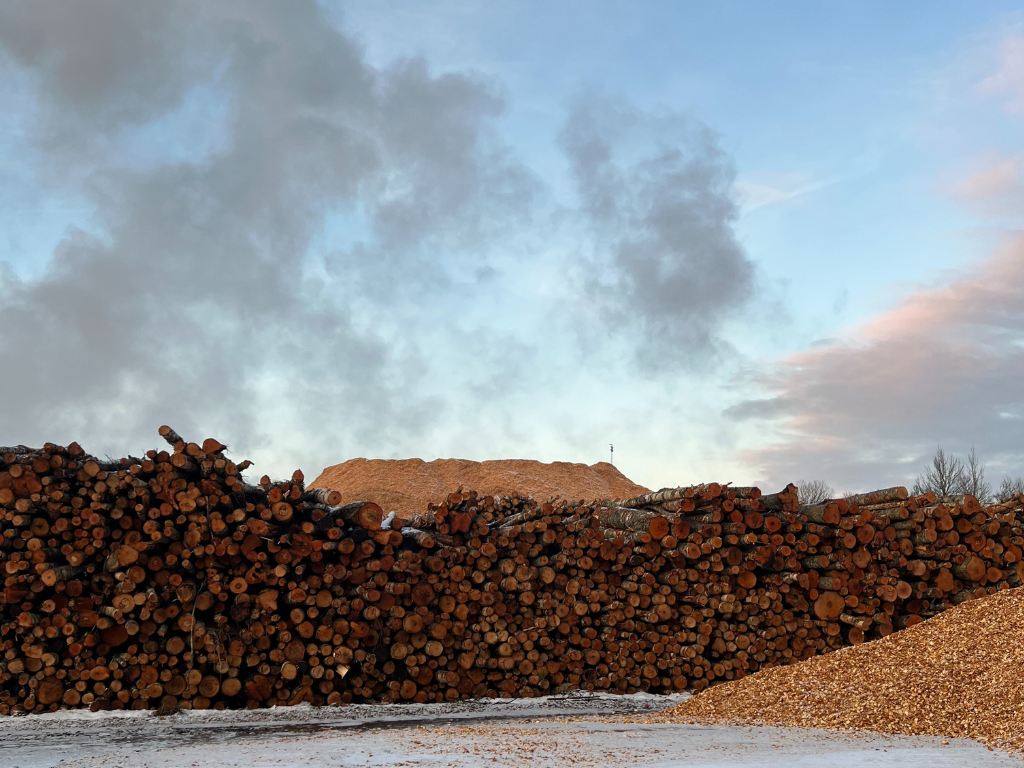
WoodCell Project doesn’t begin in the lab or even in the Fibenol biorefinery. It begins in the forest. Not the picture-perfect kind you see on postcards, but real, working forests that require smart care and long-term thinking.
That’s where WoodCell partner Foreko comes in.
As Estonia’s largest private forest landowner, managing 77,000 hectares of certified forest, Foreko plays a crucial role in the WoodCell Project. They support Fibenol in two ways:
- By supplying lower-quality hardwood directly to Fibenol for processing, or
- By delivering wood to the plywood industry, where Fibenol later uses the side-stream residues.
In both cases, the starting point is the same: certified, sustainably managed raw material. Without it, none of this would work. Because building a circular bioindustry takes more than good intentions, it takes a whole value chain that’s designed to support itself. From how forests are grown and harvested to how materials are processed and used.
Sustainable input enables sustainable output.
Foreko follows the PEFC forest management standard, which balances environmental, economic, and social value. Forests are monitored. Trees are harvested at the right moment and with best practices. Biodiversity is protected. New forests are planted.
Their custom-built digital tool, Metsavaht, makes it easy to track and manage every step, giving partners like Fibenol full transparency and trust in the material they receive.
Why does this matter? Because Fibenol turns that overlooked, lower-grade birch into specialty cellulose (MCC), a high-performance biomaterial that replaces fossil-based chemicals in industries like paper and packaging, paints, coatings, and energy storage.
This isn’t just recycling. It’s rethinking how materials are made from the ground up.
Thanks to Foreko’s forest expertise, the beginning of the WoodCell Project story, the part where “Just Good Chemistry” starts, has a solid foundation.
This is shortly how good chemistry begins in the forest and how we move forward from fossil to bio-based.

Related posts
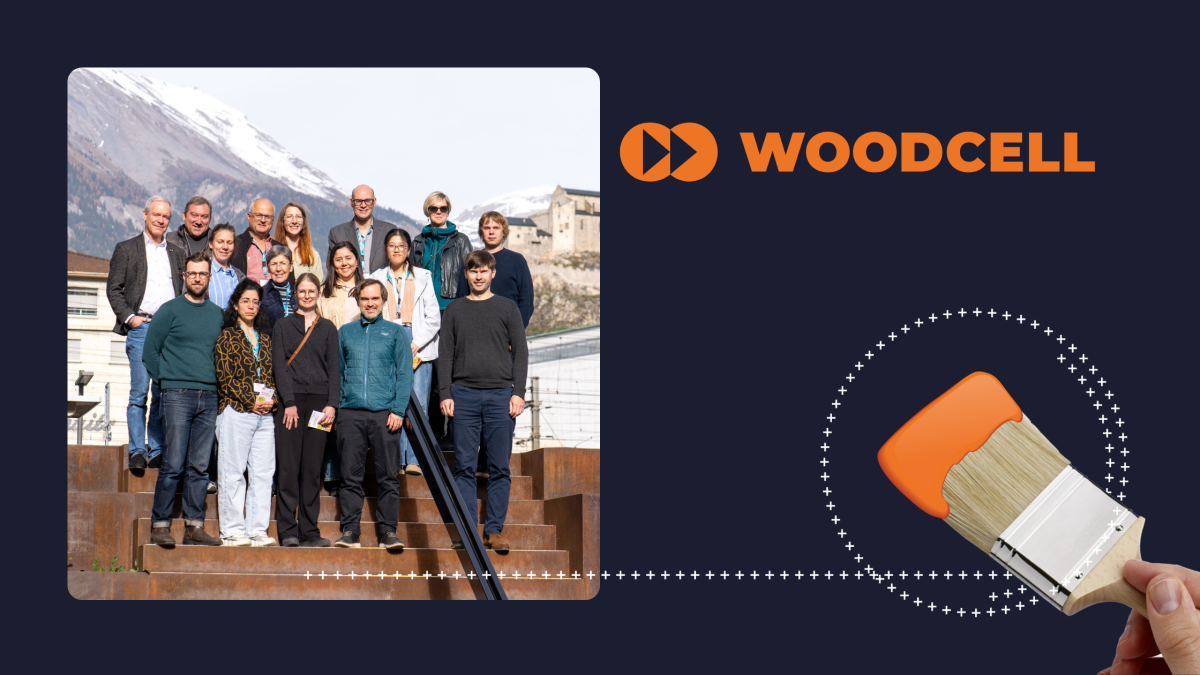
On the second week of November, project partners from across Europe gathered in Lausanne for WoodCell’s third General Assembly and Executive Board meeting. The room [...]
Skeleton is proud to announce our participation in the WOODCELL project, a groundbreaking initiative co-funded by the European Union. This project, coordinated by the Estonian [...]
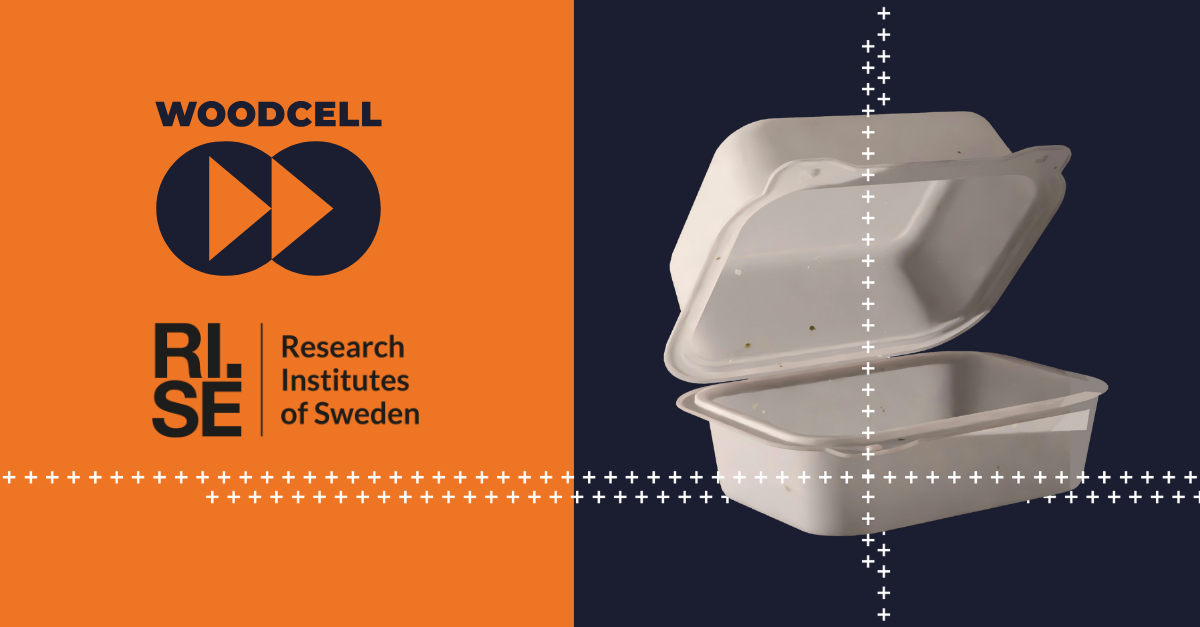
Plastics have long dominated thermoforming, but their environmental cost is hard to ignore. RISE, Sweden’s research and innovation institute, is exploring how WoodCell Specialty Cellulose could offer [...]

