
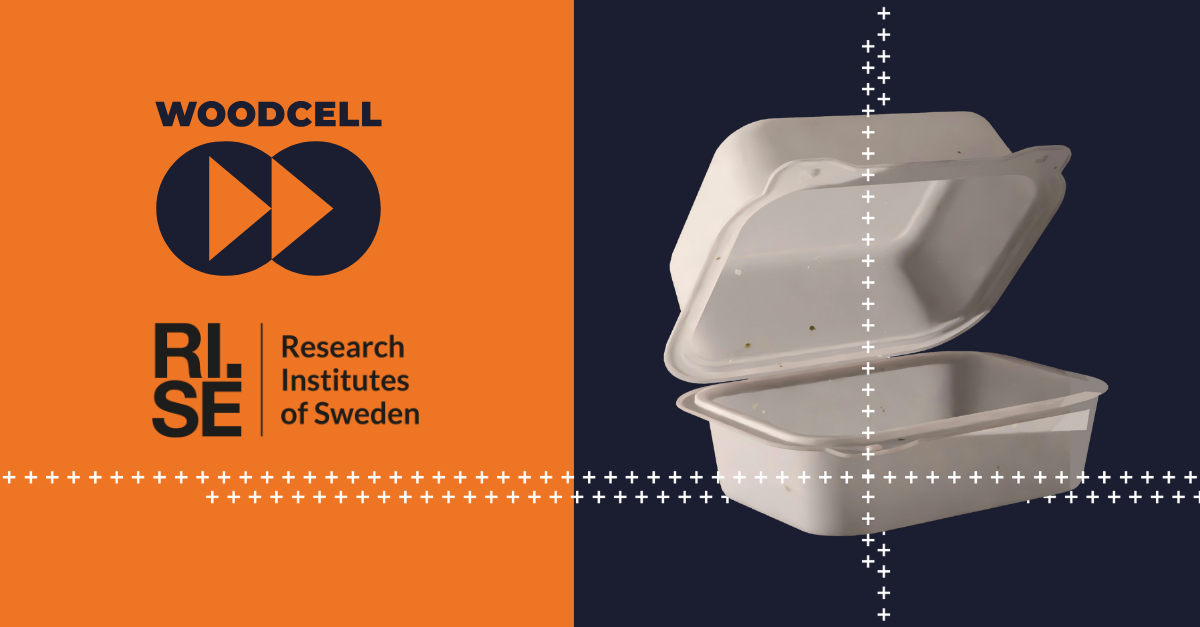
Plastics have long dominated thermoforming, but their environmental cost is hard to ignore. RISE, Sweden’s research and innovation institute, is exploring how WoodCell Specialty Cellulose could offer a cleaner, smarter alternative.
Why (specialty) cellulose? WoodCell Specialty Cellulose, produced by Fibenol, brings clear performance benefits: higher stiffness and elongation, and potential as a primer layer in barrier constructions. In other words, strength, protection, and surface performance from wood.
The process challenge: Lab results do not mean much if the production line slows down. That is why RISE is asking the practical question: can WoodCell Specialty Cellulose be added without reducing dewatering speed, extending drying, or cutting efficiency? If the answer is yes, cellulose-based thermoforming becomes more than a concept, it becomes viable at scale.
Dino Muhic, Senior Business Developer and Sales Executive, Bioeconomy, RISE Research Institutes of Sweden
- Circularity: reducing reliance on petroleum-based inputs and avoiding plastic pollution
- Efficiency: using less fibreswhile maintaining strength

Related posts

On the second week of November, project partners from across Europe gathered in Lausanne for WoodCell’s third General Assembly and Executive Board meeting. The room [...]
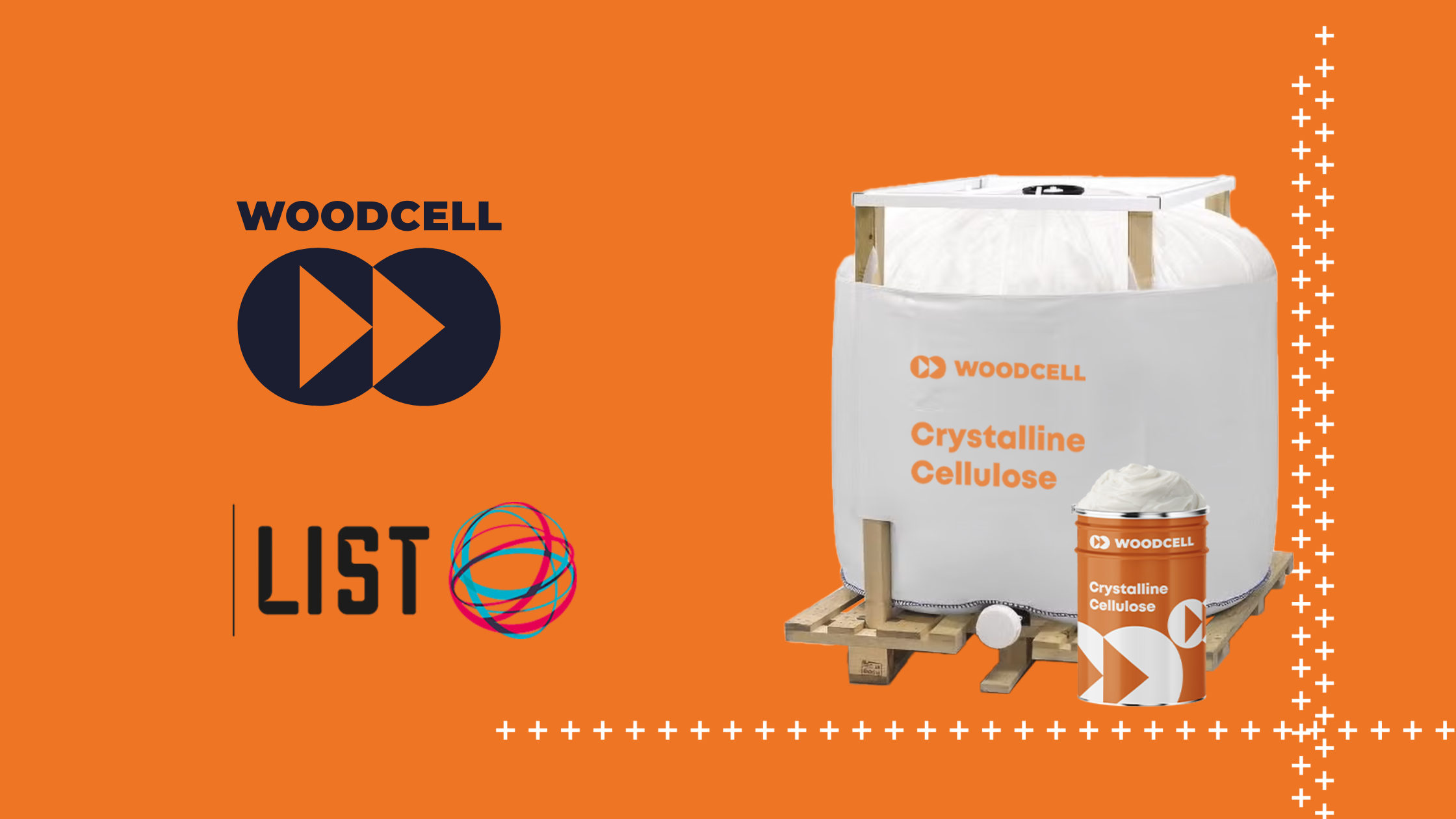
In the first part of this series, we explored how the Safe-and-Sustainable-by-Design (SSbD) framework is applied to Woodcell™ crystalline cellulose. In this second part, we [...]
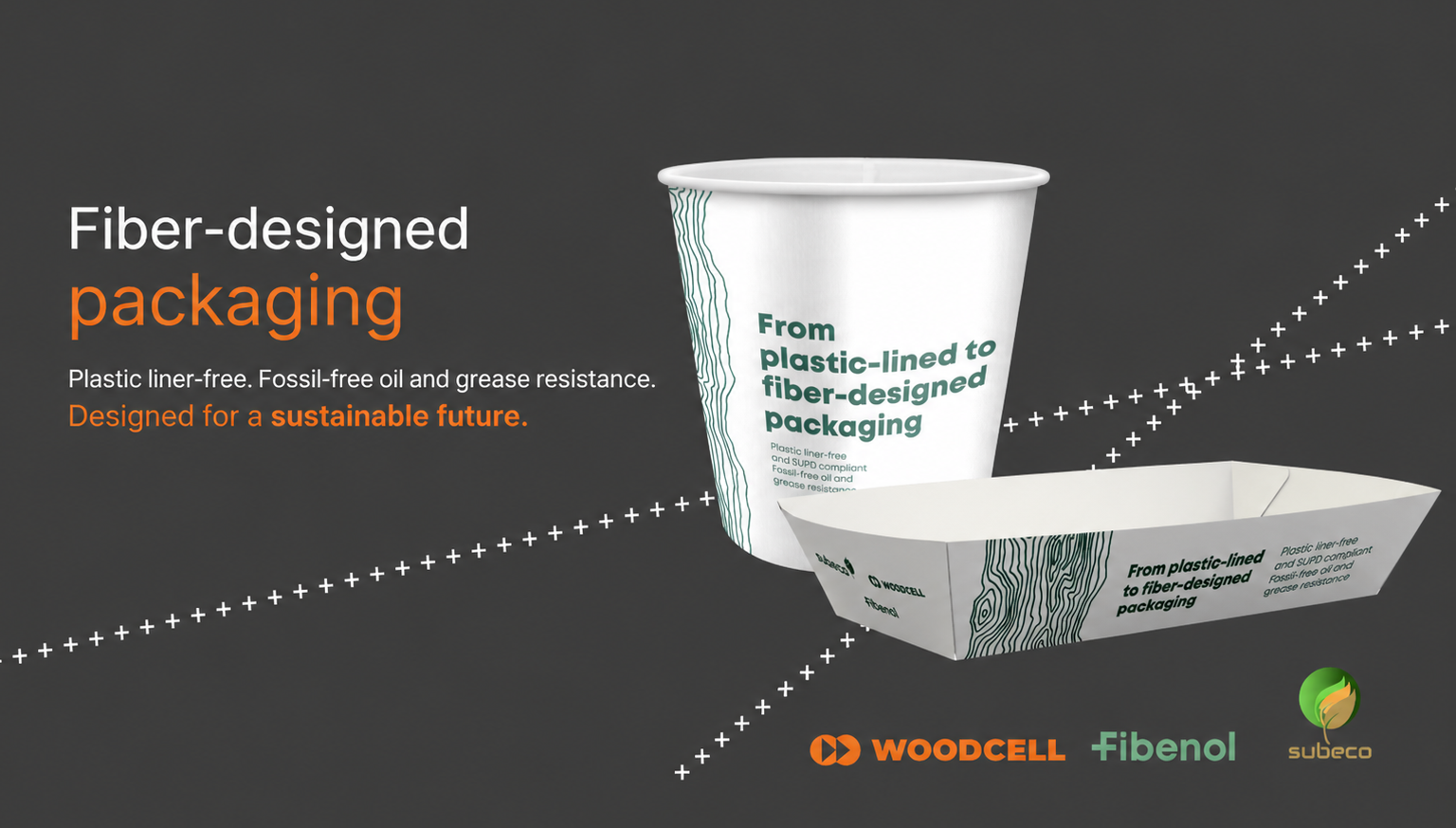
By combining Subeco’s expertise in water-based barrier coatings with Fibenol’s WoodCell™ crystalline cellulose, we are developing next-generation fiber-based coatings designed to replace fossil-based components in [...]

