
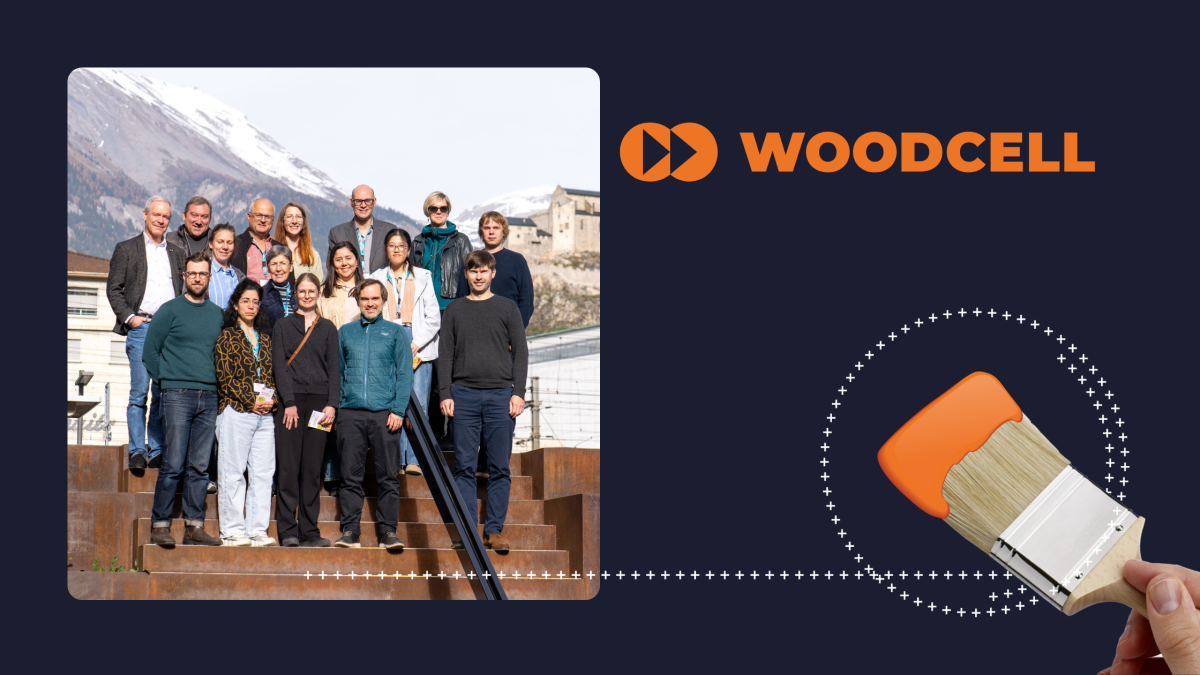
On the second week of November, project partners from across Europe gathered in Lausanne for WoodCell’s third General Assembly and Executive Board meeting. The room was anything but quiet. Fibenol, DESmith, Coatex (Arkema), Skeleton Technologies, RISE, LIST, EPFL, HES-SO Valais-Wallis, and Foreko all brought their updates and questions. This wasn’t just about ticking boxes, it was about open debate and current progress.
As consortium leader, Gert Preegel from Fibenol summed it up: “Building trust among partners is key. Even experts need time to really get to know new materials. Every meeting uncovers fresh directions and challenges, but also new opportunities. This isn’t just about sharing data, these meetings are about discussion and helping each other move forward.”
The value of meeting in person is something else. Fredric Naves, Fibenol MCC business developer, pointed out: “Face-to-face time helps us align on direction and talk openly about the product and its applications. Sometimes, the best ideas start over dinner or at the coffee machine.”
What did we discuss?
Main topics on the agenda included plant design and optimization, improving the quality and applications of crystalline cellulose, and raising the bar for safety and sustainability in bio-based products.
Key technical takeaways from the meeting from Gert’s perspective:
- Crystalline cellulose shows strong potential in paper coatings for grease and oxygen barriers
This is important because it forms tight, uniform layers that provide effective protection. Therefore, it offers a viable fiber-based alternative to plastic or PFAS-type barrier solutions.
Crystalline cellulose improves thermoforming by reducing porosity and preparing trays for SUPD-compliant coatings. - This is important because lower porosity leads to stronger, smoother fiber trays. Therefore, it supports the production of plastic-free food packaging that meets regulatory requirements.
- Crystalline cellulose demonstrates an excellent carbon footprint, comparable to unbleached pulps.
This is important because it delivers high performance without increasing climate impact. Therefore, it aligns well with decarbonization targets in packaging development.
WoodCell is not just another project. We are here to rethink what is possible, and at the core of it all is just good chemistry.
We look forward to our next stop. Until then, stay tuned for our progress update.

Related posts
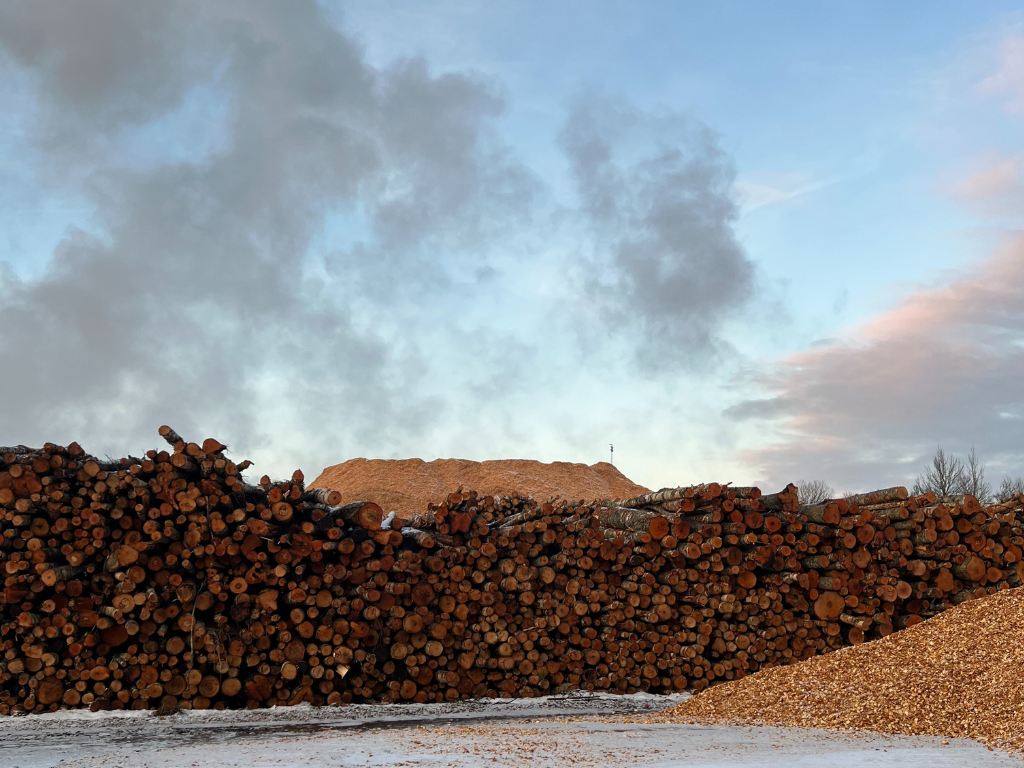
WoodCell Project doesn’t begin in the lab or even in the Fibenol biorefinery. It begins in the forest. Not the picture-perfect kind you see on [...]
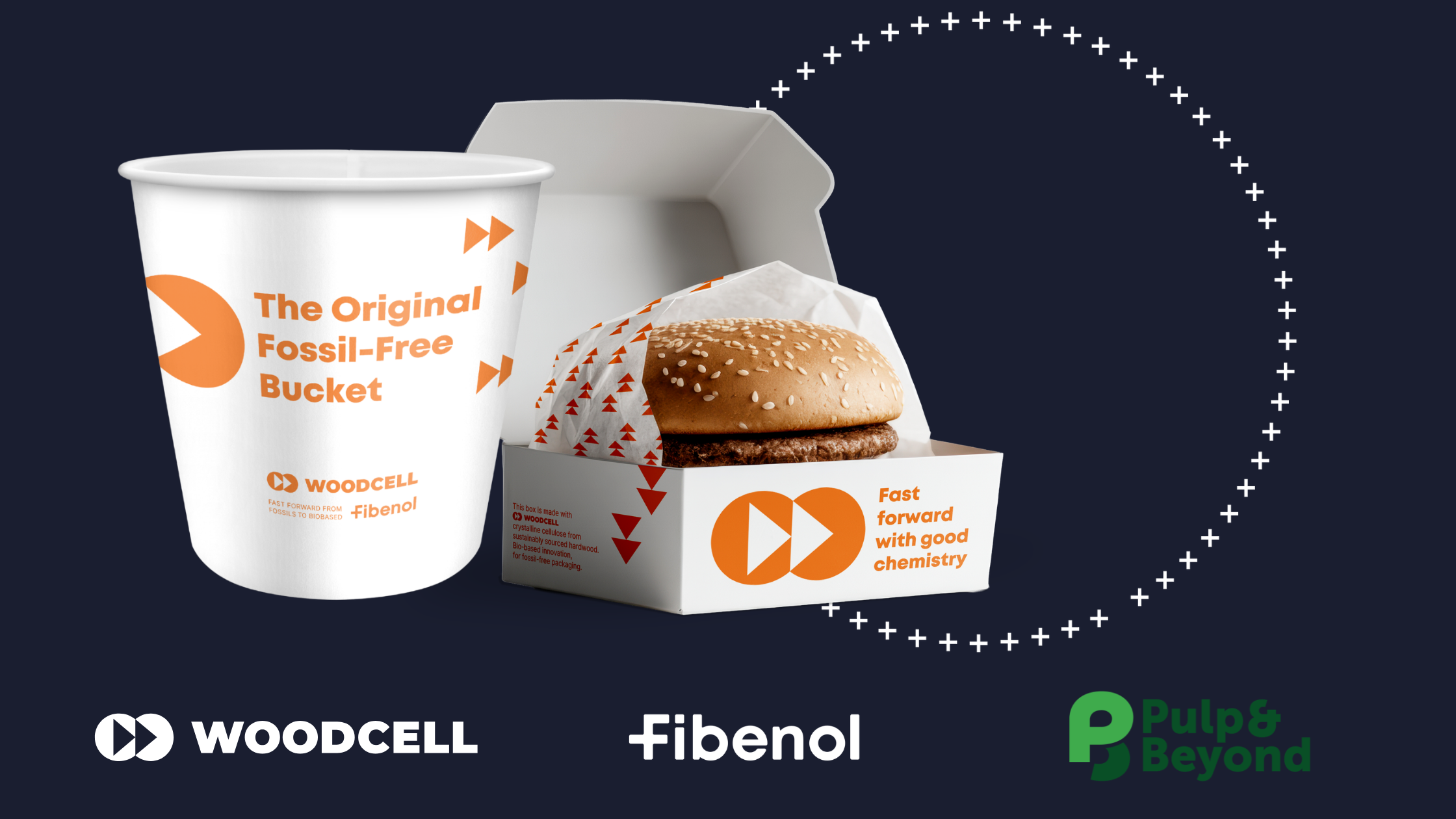
Pulp & Beyond 2026 is just around the corner. This year, Fibenol is not coming with concepts. We are bringing proof. At booth 5C15, [...]
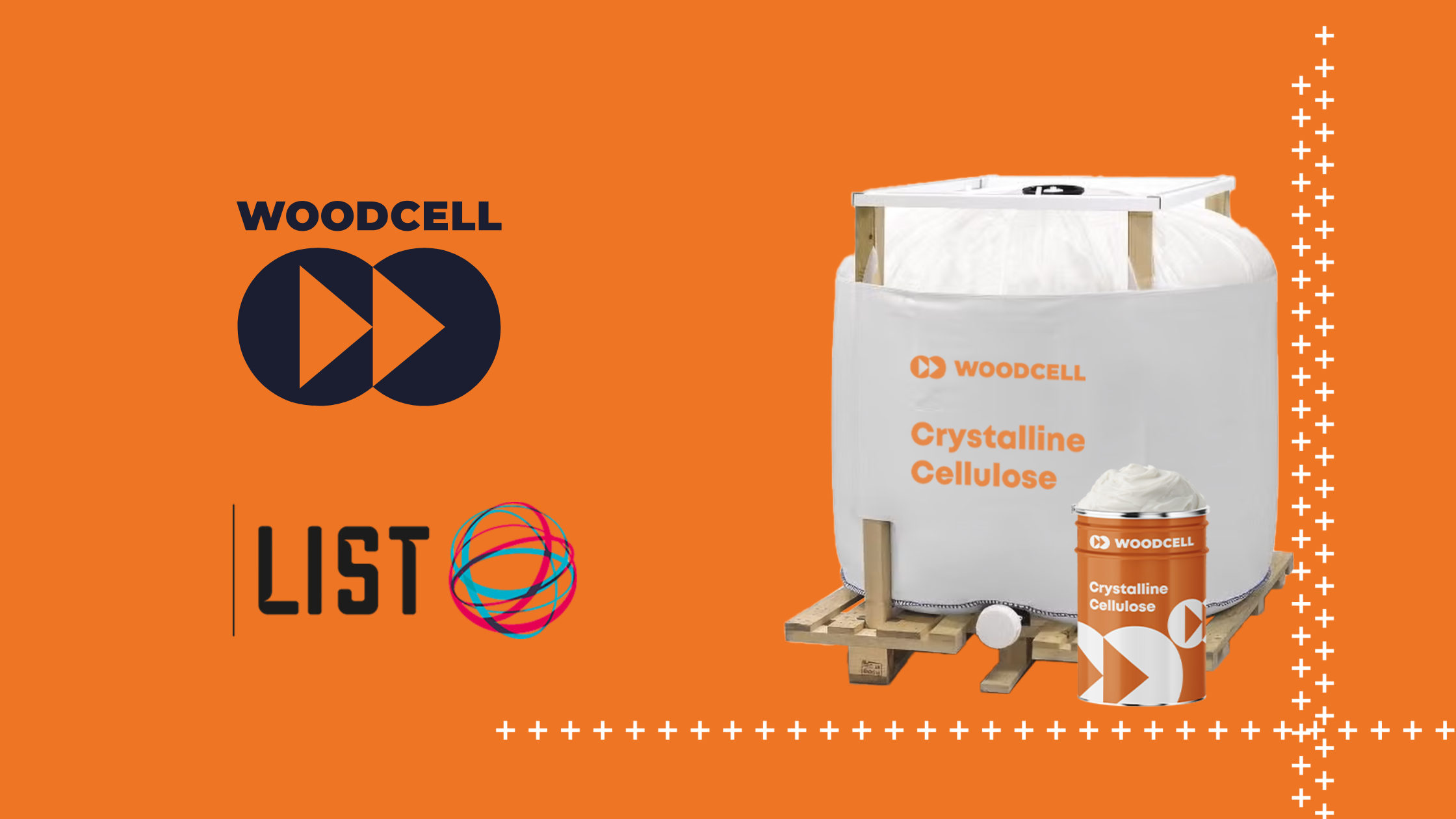
In this blog post, we speak with LIST (Luxembourg Institute of Science and Technology), a key partner in the Woodcell project, about its role in [...]

