
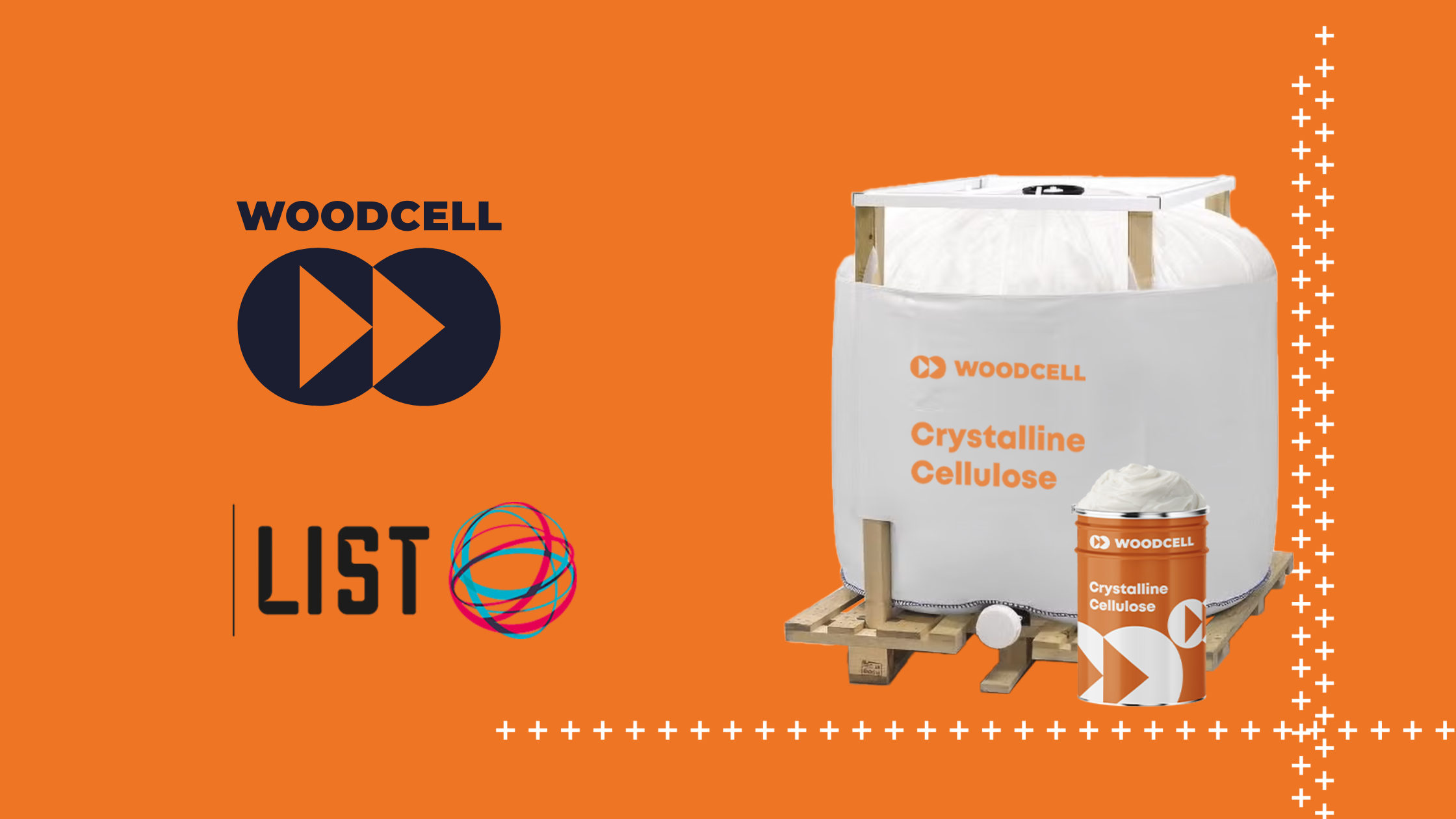
In the first part of this series, we explored how the Safe-and-Sustainable-by-Design (SSbD) framework is applied to Woodcell™ crystalline cellulose. In this second part, we focus on how sustainability and safety are assessed in practice within the Woodcell project.
LIST is responsible for developing and implementing the SSbD methodology, with a particular focus on environmental and safety evaluation. This work is carried out in close cooperation with project partners. Fibenol leads data collection, techno-economic analysis, and biodegradation and toxicity testing, ensuring that the assessment is grounded in industrially relevant data.
The sustainability assessment is based on Life Cycle Assessment (LCA) methodology and supported by circularity indicators. Two complementary LCA approaches are applied. First, an attributional cradle-to-gate LCA of crystalline cellulose quantifies environmental impacts under current average production conditions and enables comparison with fossil-based alternatives. Second, a prospective LCA assesses potential future impacts in selected end-user applications, such as paper and board products, under anticipated technological and market developments.
In addition to environmental performance, economic and social aspects are evaluated through Life Cycle Costing (LCC) and Social Life Cycle Assessment (S-LCA). This integrated approach ensures that sustainability is assessed across environmental, economic, and social dimensions.
The safety assessment begins with regulatory hazard screening to identify substances of concern and minimise hazardous properties. Where data gaps exist, high-throughput and cost-effective toxicity screening methods are applied to ensure that Woodcell™ crystalline cellulose demonstrates a strong safety profile compared to conventional materials.
Harmonisation of methodologies plays a central role in this process. As the SSbD framework continues to evolve at the European level, aligning assessment criteria ensures consistency, comparability, and transparency across projects and materials. Within the Woodcell project, harmonisation supports reliable decision-making, reduces uncertainty, and strengthens confidence in sustainability claims.

Related posts
In this blog post, we speak with LIST (Luxembourg Institute of Science and Technology), a key partner in the Woodcell project, about its role in [...]
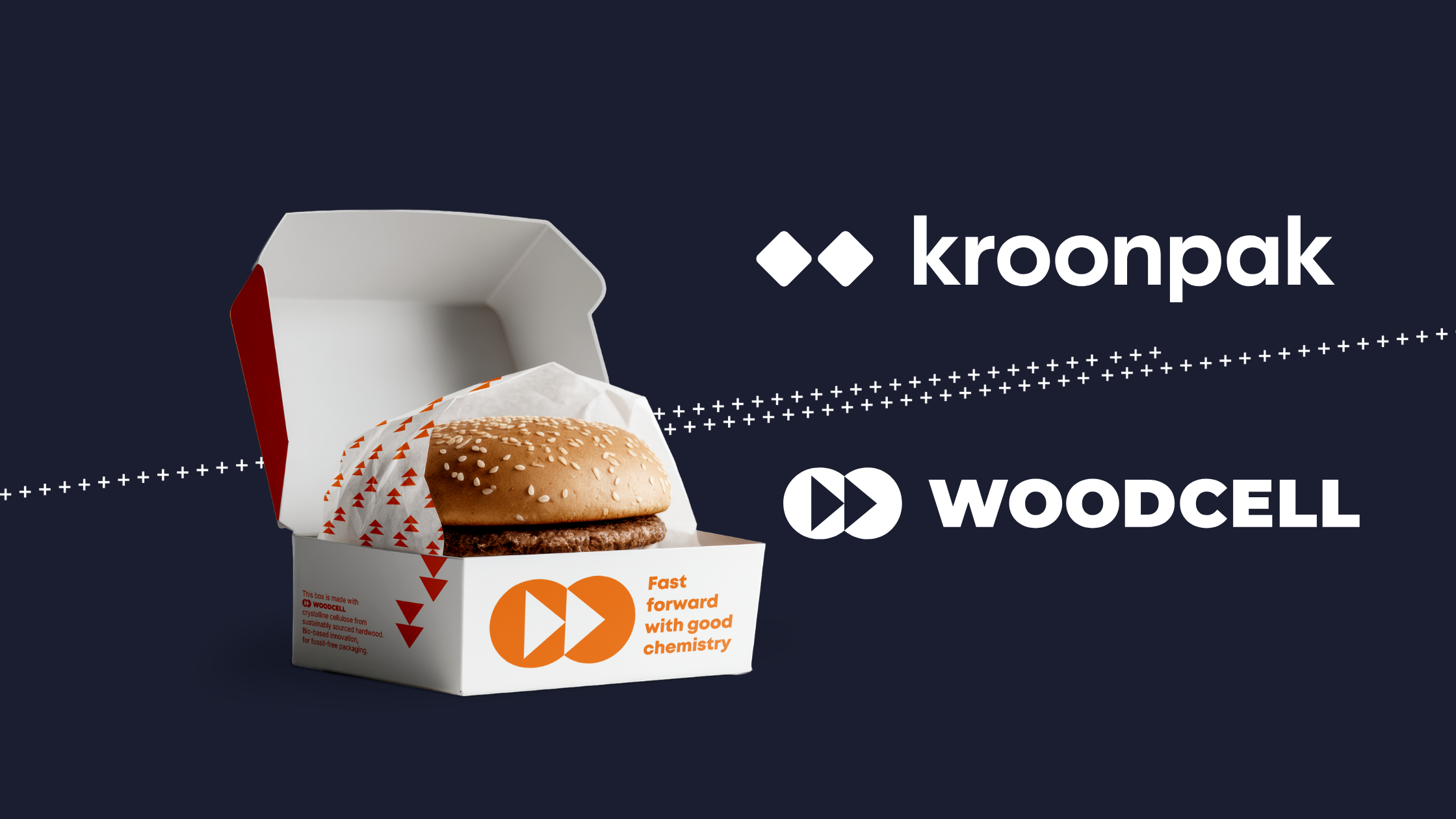
How Fibenol and Kroonpak are developing fibre-based food packaging Food-service packaging must protect against grease and moisture while remaining recyclable. At the same time, plastic-based [...]
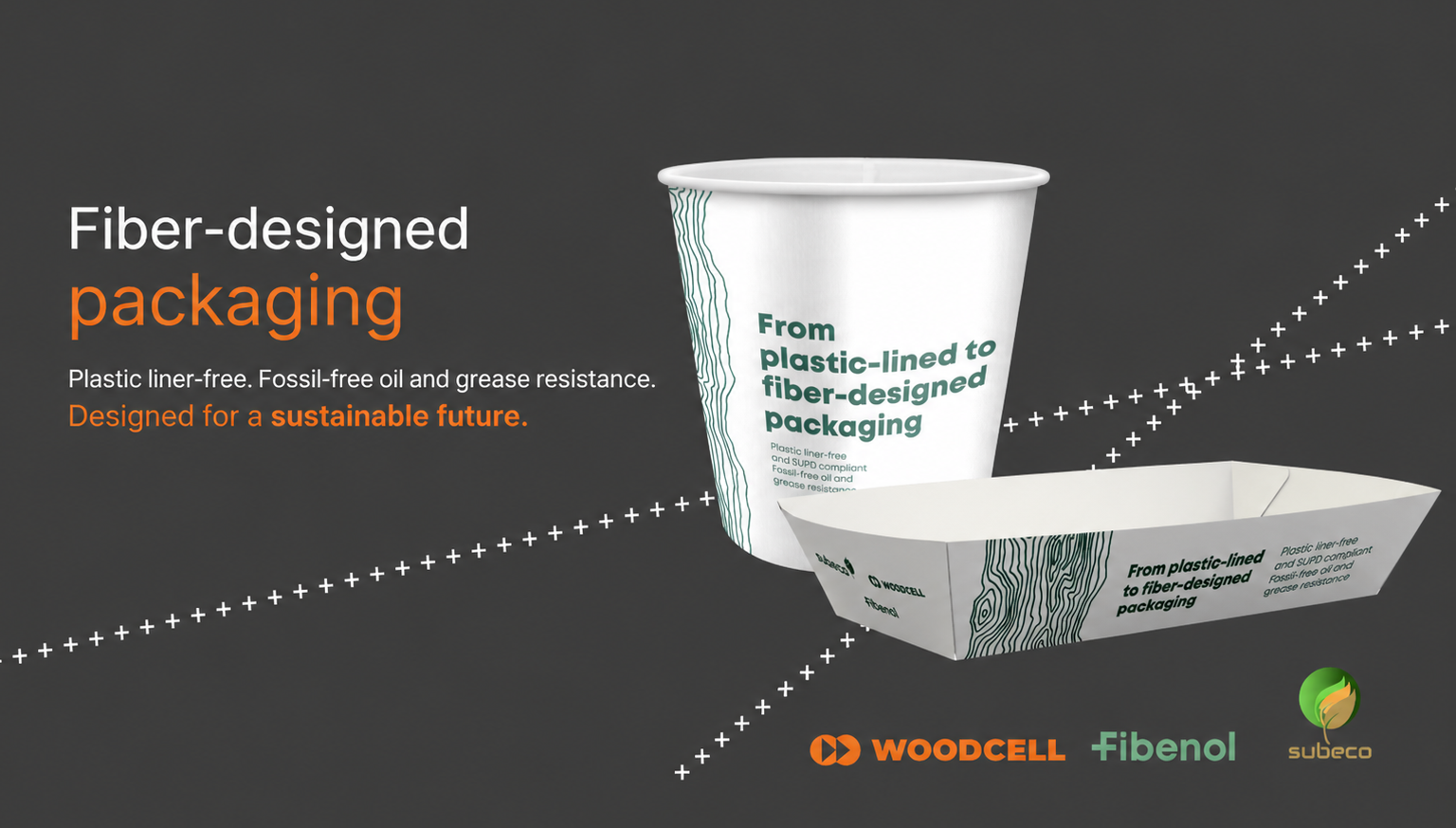
By combining Subeco’s expertise in water-based barrier coatings with Fibenol’s WoodCell™ crystalline cellulose, we are developing next-generation fiber-based coatings designed to replace fossil-based components in [...]

