
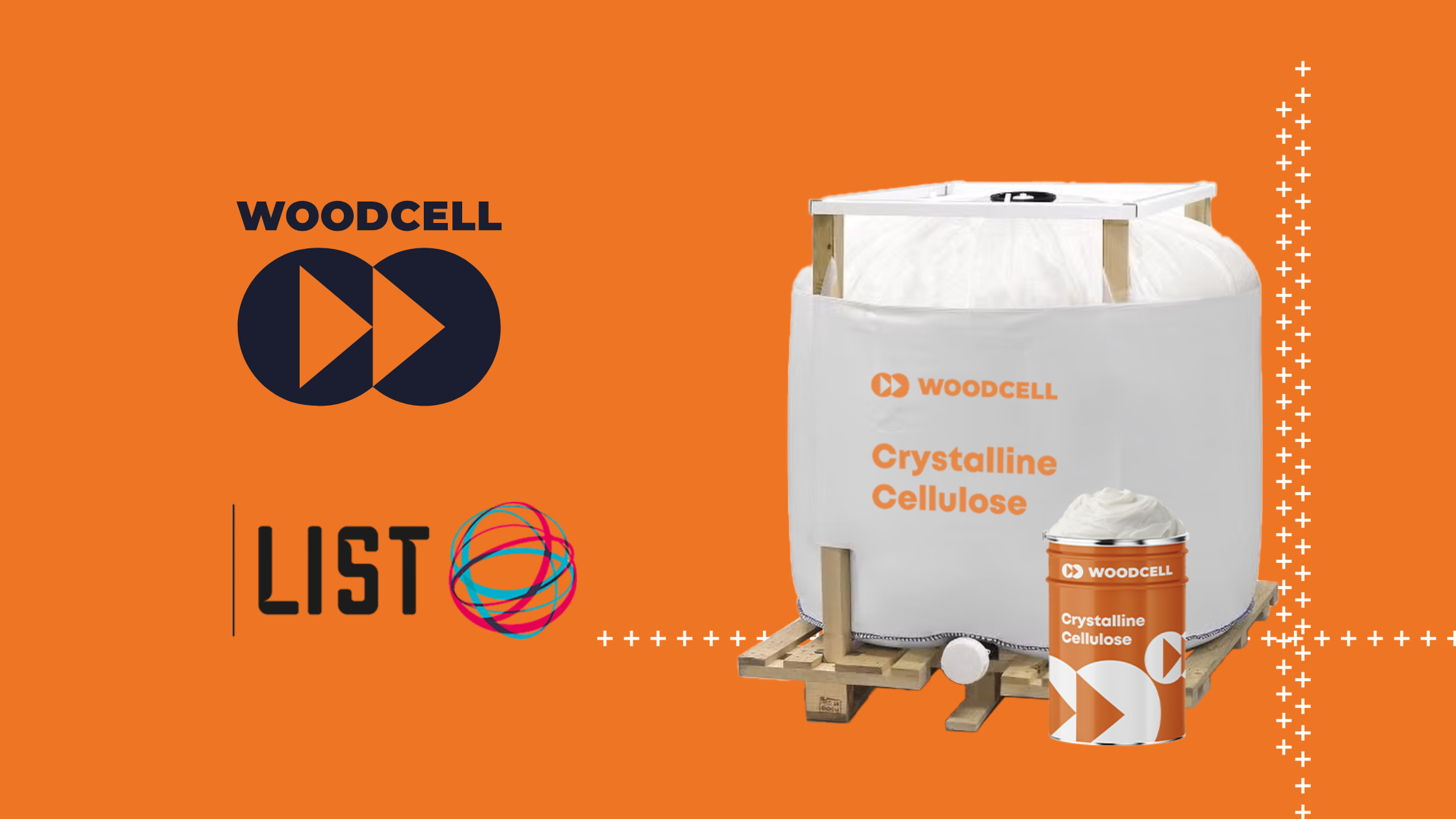
The structured application of the SSbD framework in the Woodcell project extends beyond technical evaluation. It contributes to shaping how bio-based materials are positioned, validated, and adopted in the market.
By embedding safety and sustainability criteria from the earliest stages of design, the project supports the development of materials that are not only high-performing but also aligned with evolving regulatory and societal expectations. For bio-based industries, this provides a robust scientific foundation to demonstrate environmental and safety benefits, strengthening credibility with customers, regulators, and value-chain partners.
A harmonised and transparent assessment approach also helps address one of the main barriers to wider adoption of innovative materials: trust. Clear methodologies, comparable results, and documented safety profiles enable more informed decision-making across the value chain.
At the same time, implementing SSbD presents challenges. Data availability, methodological uncertainty in prospective assessments, and the need to balance performance with sustainability requirements all require iterative evaluation and close collaboration between research organisations, industry partners, and policymakers. Addressing these challenges is essential for translating sustainability ambitions into practical industrial solutions.
In the longer term, the work carried out within the Woodcell project may contribute to the development of standardisation and certification approaches for cellulose-based materials. Such developments would support consistent quality, safety, and performance benchmarks across markets, facilitating broader adoption of bio-based crystalline cellulose solutions.
By integrating scientific assessment, regulatory alignment, and industry collaboration, the application of SSbD to Woodcell™ crystalline cellulose supports the transition toward a more circular and sustainable bio-based economy and contributes to Europe’s broader climate neutrality and zero pollution objectives.

Related posts
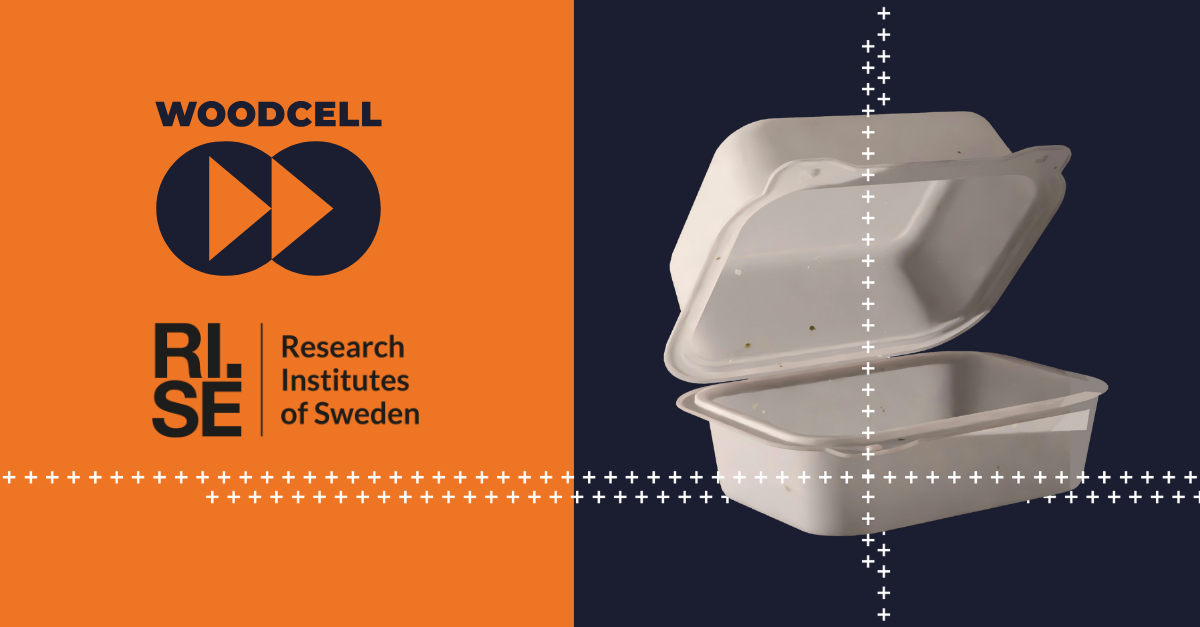
Plastics have long dominated thermoforming, but their environmental cost is hard to ignore. RISE, Sweden’s research and innovation institute, is exploring how WoodCell Specialty Cellulose could offer [...]
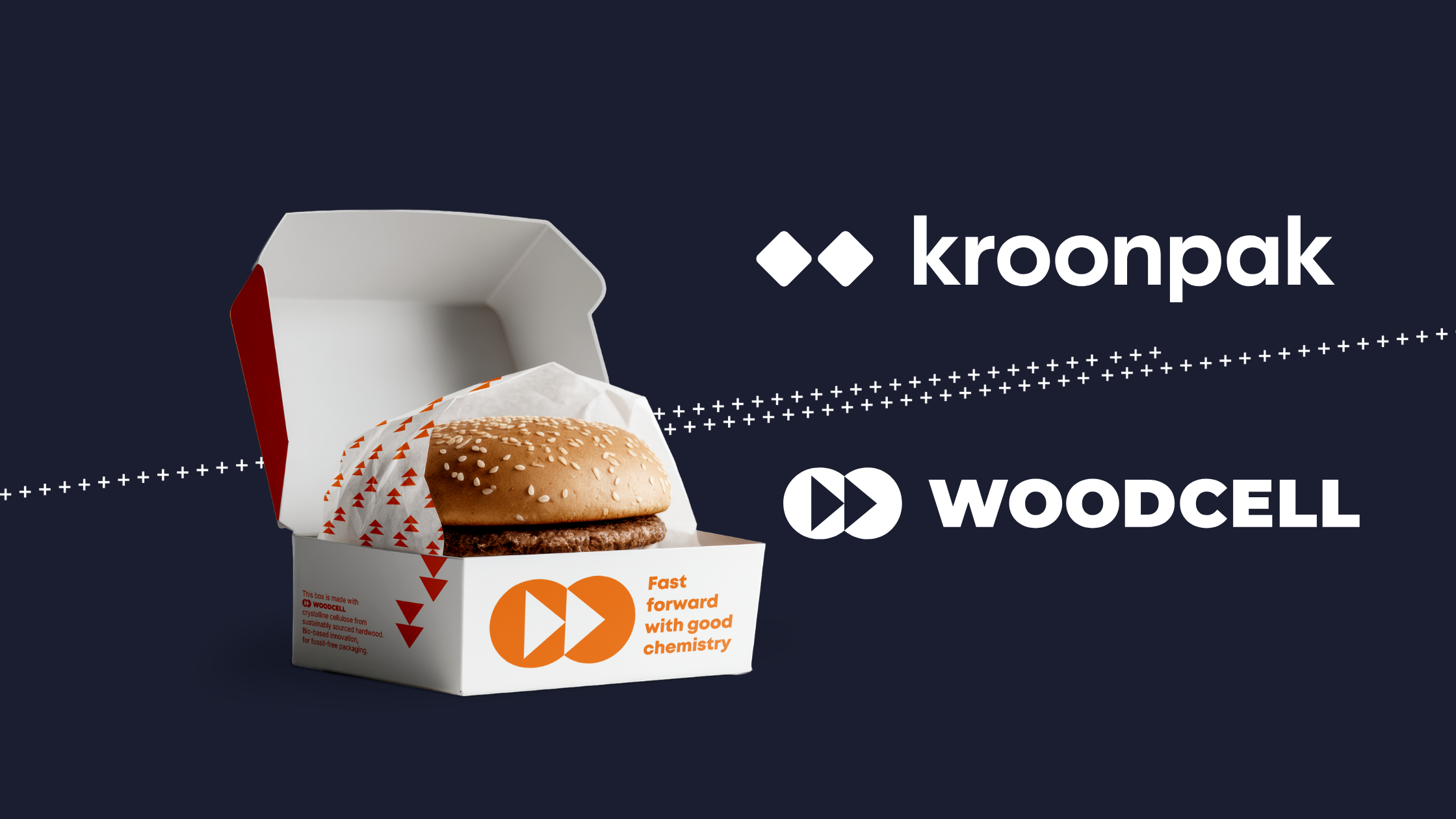
How Fibenol and Kroonpak are developing fibre-based food packaging Food-service packaging must protect against grease and moisture while remaining recyclable. At the same time, plastic-based [...]
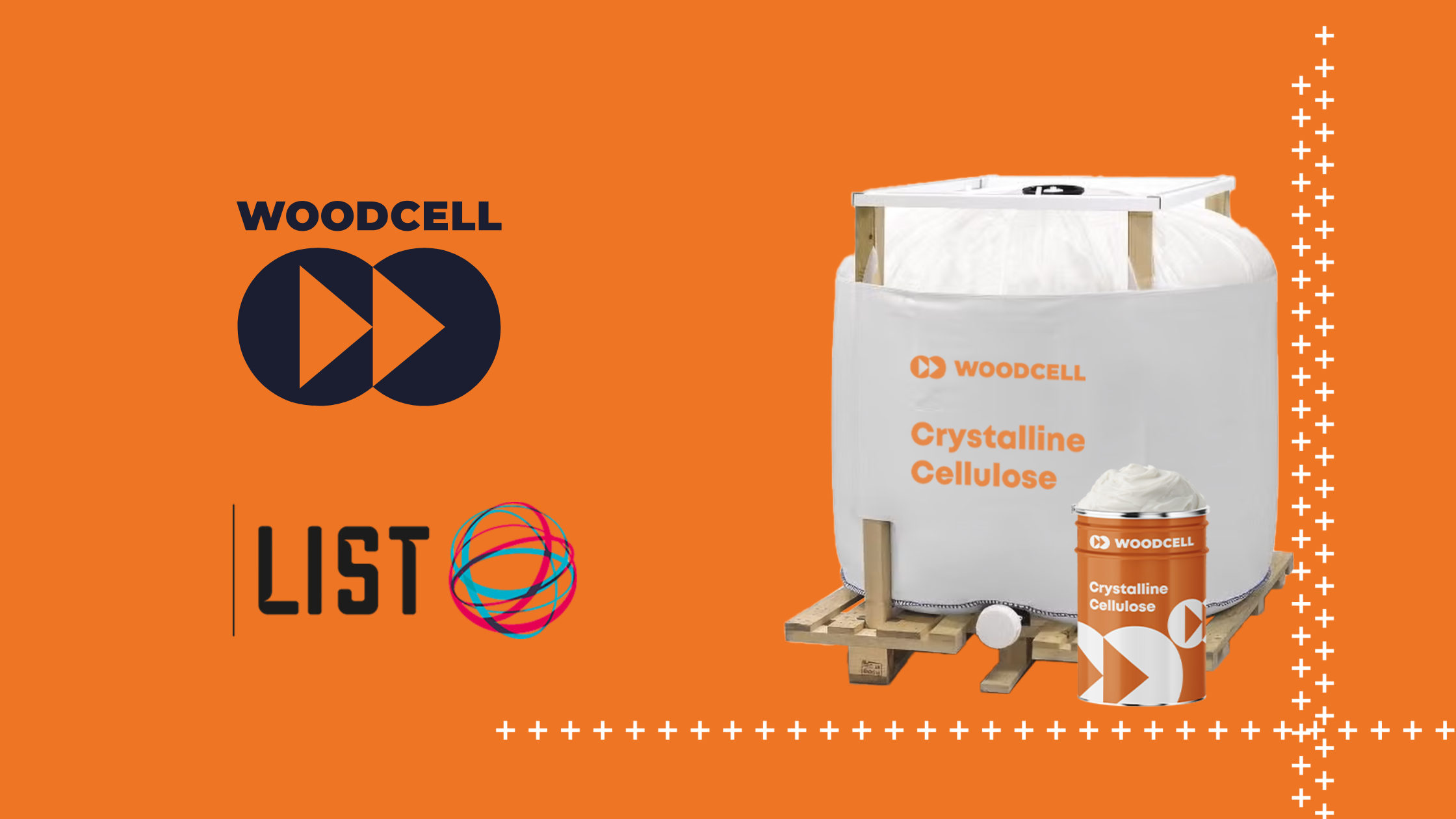
In this blog post, we speak with LIST (Luxembourg Institute of Science and Technology), a key partner in the Woodcell project, about its role in [...]

