
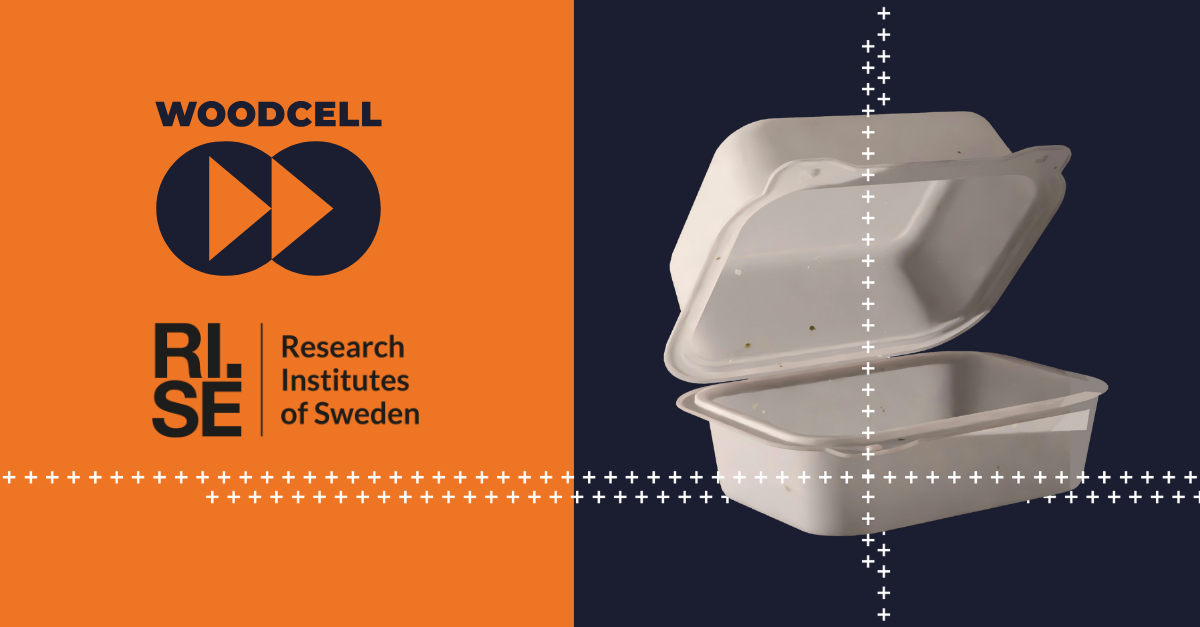
Plastics have long dominated thermoforming, but their environmental cost is hard to ignore. RISE, Sweden’s research and innovation institute, is exploring how WoodCell Specialty Cellulose could offer a cleaner, smarter alternative.
Why (specialty) cellulose? WoodCell Specialty Cellulose, produced by Fibenol, brings clear performance benefits: higher stiffness and elongation, and potential as a primer layer in barrier constructions. In other words, strength, protection, and surface performance from wood.
The process challenge: Lab results do not mean much if the production line slows down. That is why RISE is asking the practical question: can WoodCell Specialty Cellulose be added without reducing dewatering speed, extending drying, or cutting efficiency? If the answer is yes, cellulose-based thermoforming becomes more than a concept, it becomes viable at scale.
Dino Muhic, Senior Business Developer and Sales Executive, Bioeconomy, RISE Research Institutes of Sweden
- Circularity: reducing reliance on petroleum-based inputs and avoiding plastic pollution
- Efficiency: using less fibreswhile maintaining strength

Related posts

Skeleton is proud to announce our participation in the WOODCELL project, a groundbreaking initiative co-funded by the European Union. This project, coordinated by the Estonian [...]
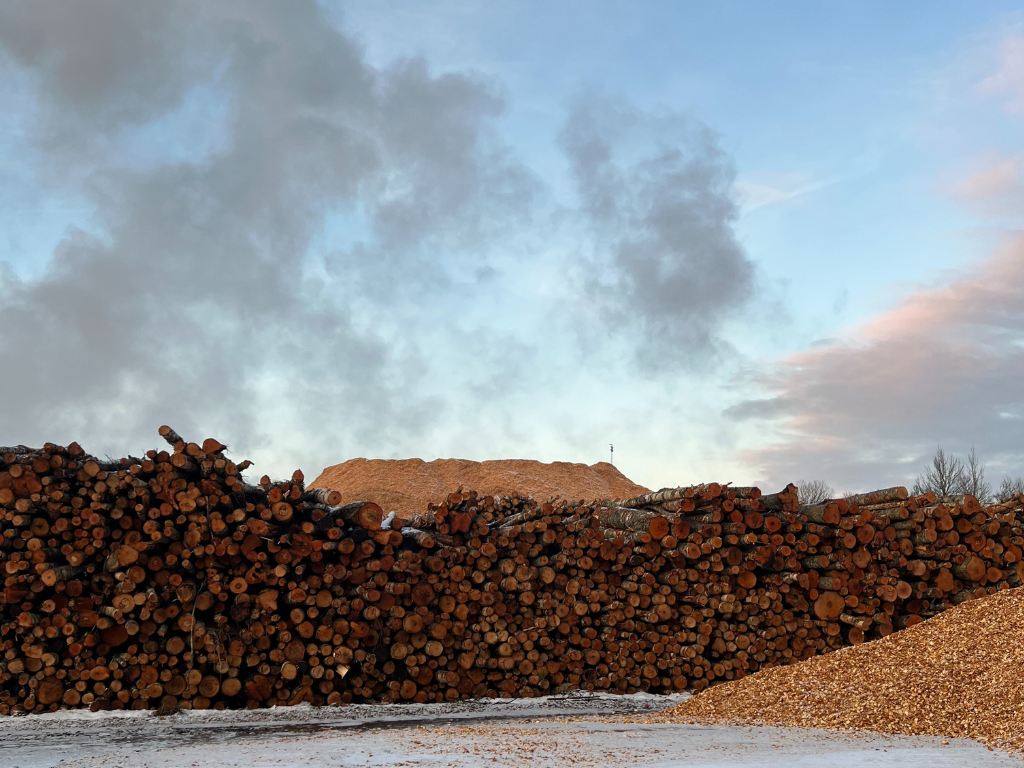
WoodCell Project doesn’t begin in the lab or even in the Fibenol biorefinery. It begins in the forest. Not the picture-perfect kind you see on [...]
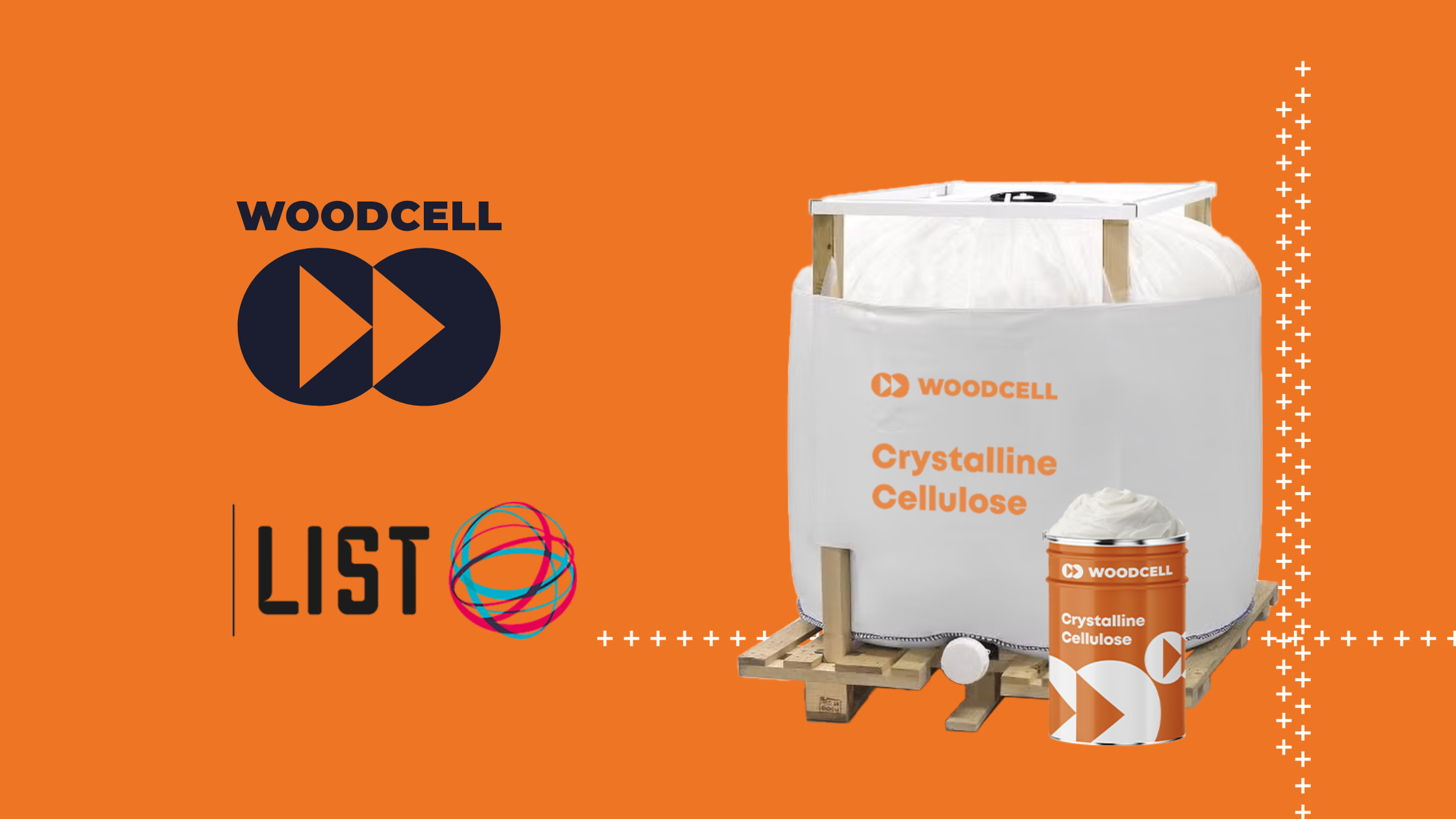
The structured application of the SSbD framework in the Woodcell project extends beyond technical evaluation. It contributes to shaping how bio-based materials are positioned, validated, [...]

