
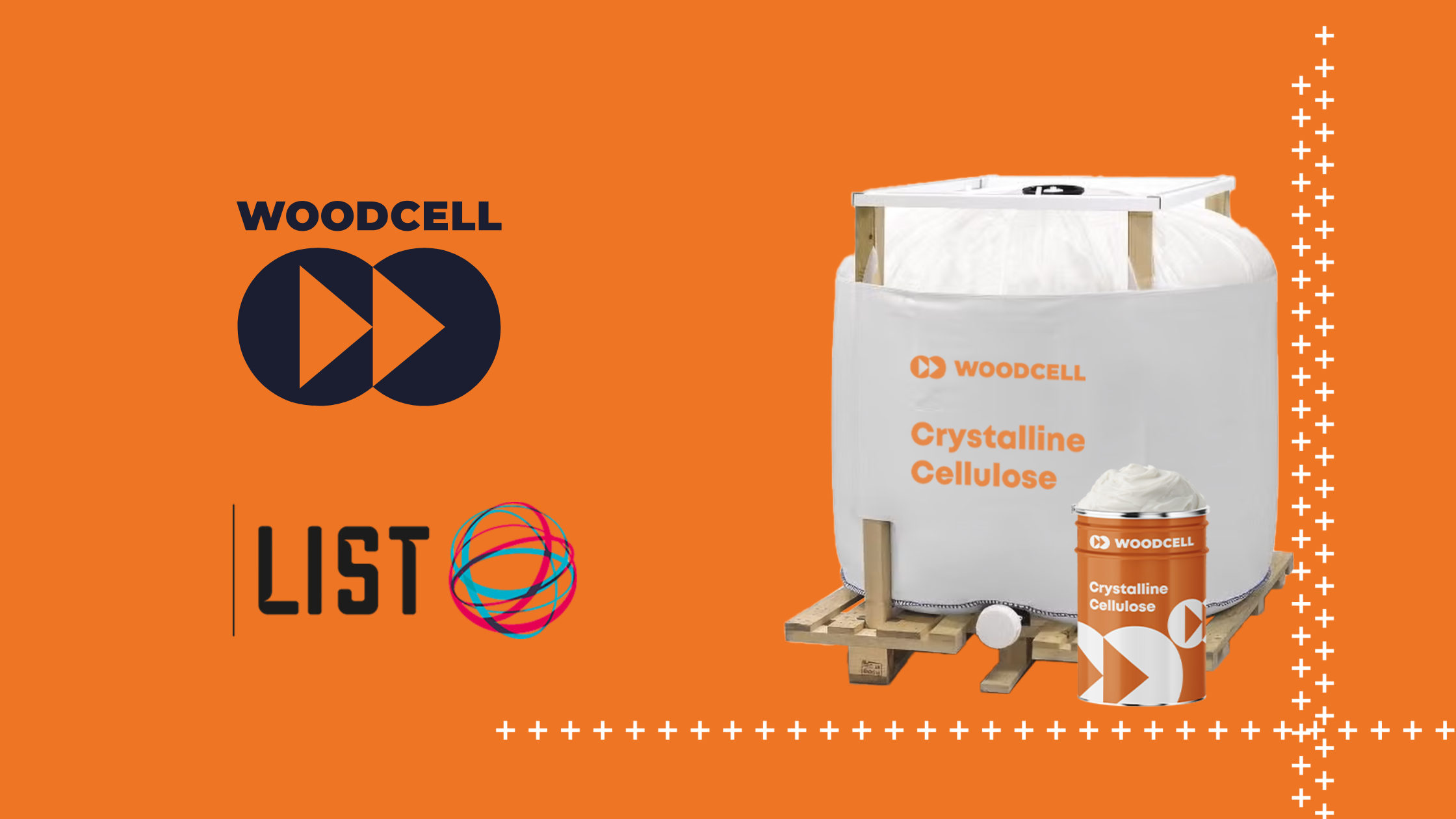
In this blog post, we speak with LIST (Luxembourg Institute of Science and Technology), a key partner in the Woodcell project, about its role in shaping safety and sustainability standards for bio-based materials. Our interviewee, Dr. Marjorie Morales, Senior R&T Scientist at LIST and WP6 Leader, explains how the Safe-and-Sustainable-by-Design (SSbD) framework is applied to Woodcell™ crystalline cellulose and why this approach is essential for the future of sustainable material innovation.
LIST is a mission-driven Research and Technology Organisation (RTO) focused on developing competitive, market-oriented prototypes of products and services for public and private stakeholders. Through its Environmental Sustainability Assessment and Circularity (SUSTAIN) research unit, LIST supports industry leaders and policymakers by delivering science-based assessments of environmental impacts and potential risks related to product manufacturing, technological development, consumption patterns, energy systems, and the built environment.
Within the Woodcell project, LIST leads the integration, refinement, and practical application of the Safe-and-Sustainable-by-Design (SSbD) framework. This framework, developed by the Joint Research Centre (JRC) of the European Commission, supports the design of chemicals and materials that are safe for human health and the environment while remaining sustainable across their entire life cycle.
In the context of the Woodcell project, the SSbD framework is operationalised to define specific design criteria for cellulose-based materials. By applying a tailored, multi-criteria assessment approach, the project evaluates the environmental performance, toxicity, and safety of Woodcell™ crystalline cellulose against conventional fossil-based benchmark materials.
This structured approach ensures that the development of Woodcell™ crystalline cellulose meets performance requirements while aligning with the EU’s objectives for a toxic-free environment, circular economy, and climate neutrality by 2050. By embedding SSbD principles at an early stage, the Woodcell project demonstrates how bio-based crystalline cellulose can serve as a safe, sustainable, and scalable alternative across industrial applications.
In the next blog post, we will look into how sustainability and safety are assessed in the Woodcell Project.

Related posts
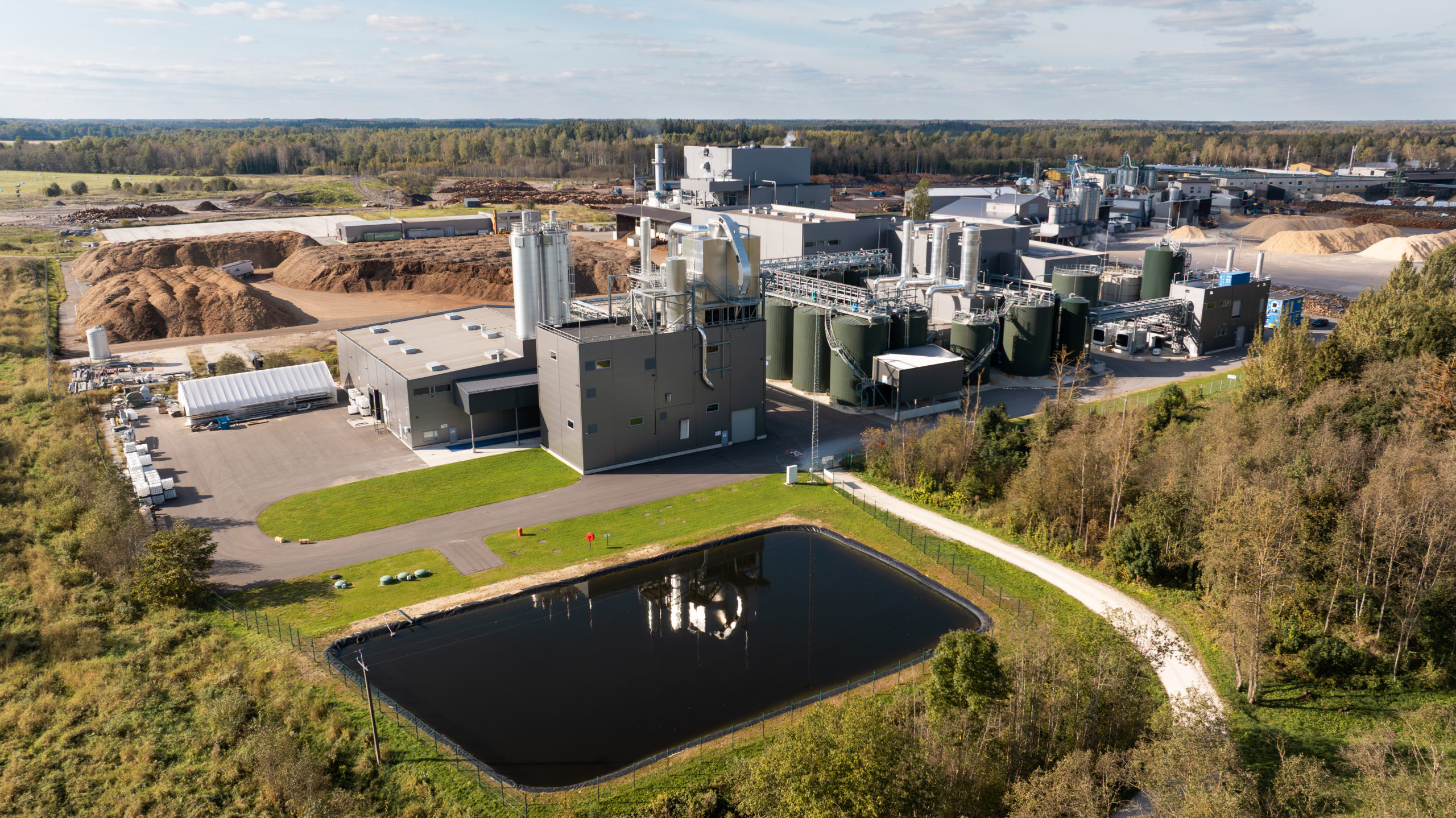
Finding viable alternatives to fossil-based materials in the chemical and material industries is challenging due to price limitations and the performance of available bio-based products. [...]
In the first part of this series, we explored how the Safe-and-Sustainable-by-Design (SSbD) framework is applied to Woodcell™ crystalline cellulose. In this second part, we [...]
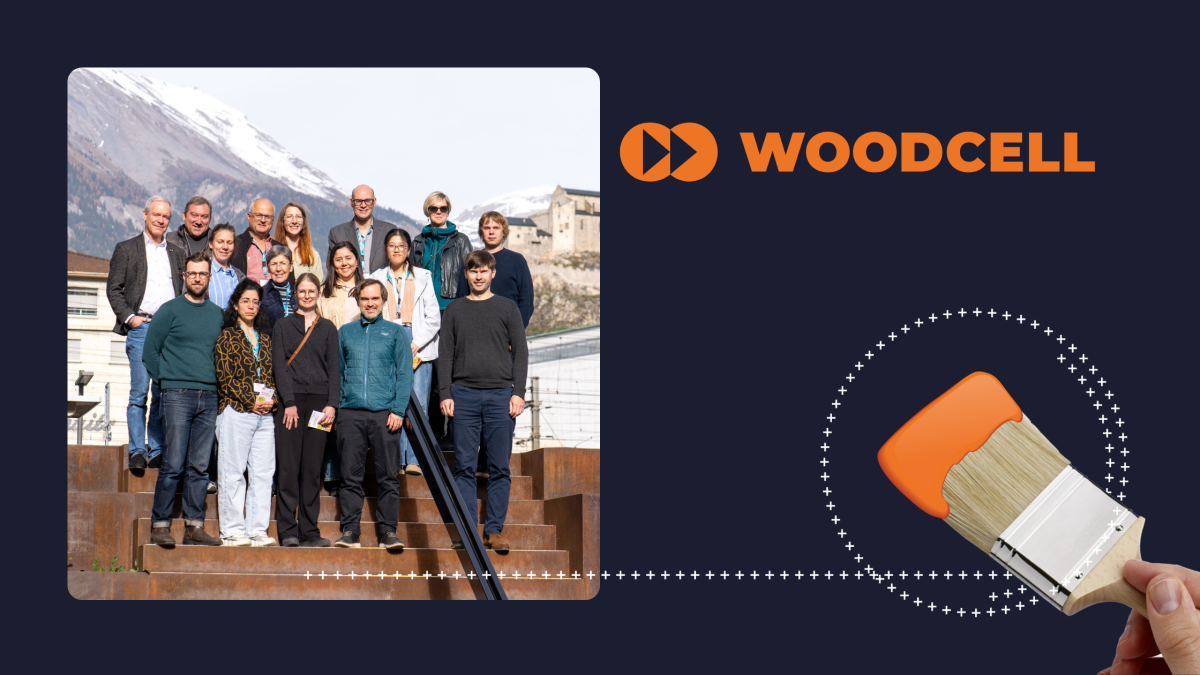
On the second week of November, project partners from across Europe gathered in Lausanne for WoodCell’s third General Assembly and Executive Board meeting. The room [...]

